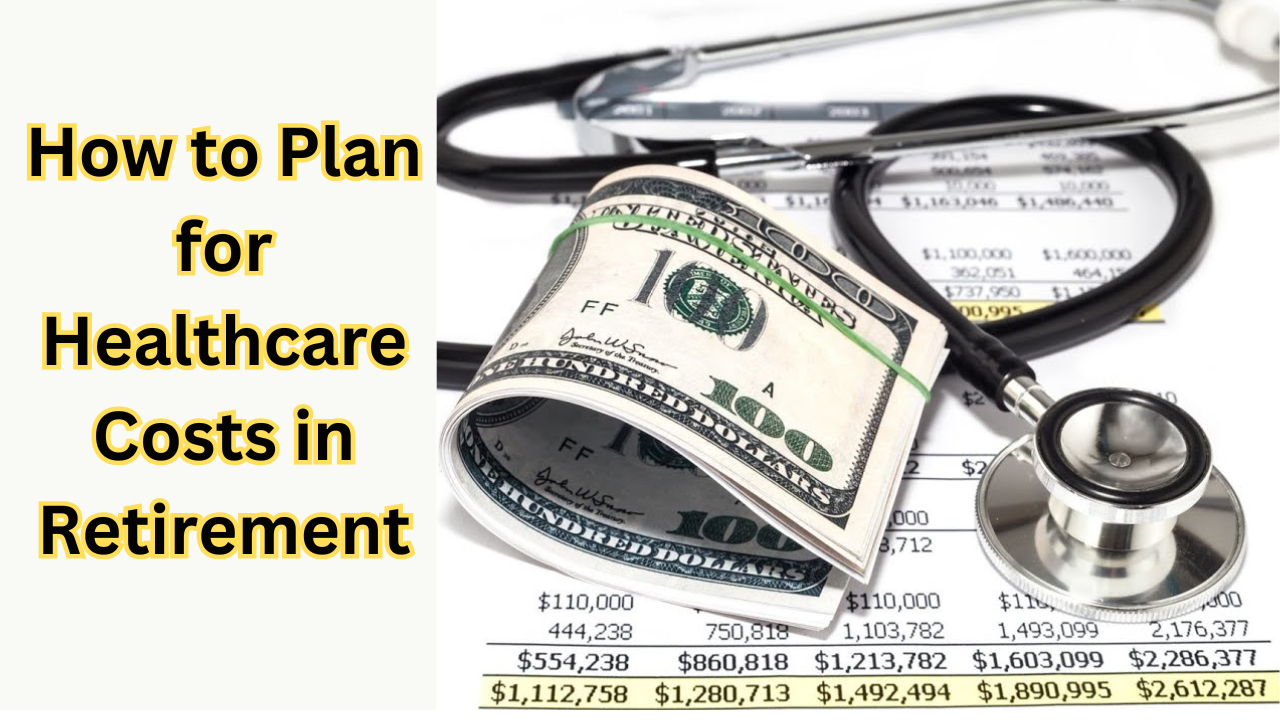
Retirement is when you can relax and enjoy life after working hard for many years. But, many people worry about paying for healthcare when they retire. Medical costs go up as you get older, so it’s important to plan. By preparing well, you can make sure you have enough money for healthcare without causing financial stress
Understand the Costs You Might Face:
When planning for healthcare costs in retirement, think about what you might need to pay for. This includes doctor visits, medicines, eye and dental care, and hospital stays. Also, think about long-term care like assisted living. Some costs may be covered by insurance, but others you might have to pay for yourself.
Healthcare costs can be different based on where you live, your lifestyle, and your health. To plan for these costs, think about your current health and any family history of health issues. This will help you estimate how much money you might need. Remember to consider regular doctor visits, medicines, eye and dental care, hospital stays, and long-term care like assisted living. Some of these costs might be covered by insurance, but you may have to pay for others. Planning ahead gives you a clearer idea of what to expect and helps you avoid surprises.
Take Advantage of Medicare:
Medicare is a key resource for retirees in the United States. It provides health insurance for people aged 65 and older, covering many basic medical services. However, Medicare does not cover everything. For example, it typically does not pay for routine dental, vision, or hearing care, and there are costs associated with premiums, deductibles, and co-pays.
To make the most of Medicare, it is important to understand the different parts of the program. Part A covers hospital stays, while Part B covers outpatient services like doctor visits and preventive care. Part D is designed for prescription drug coverage. Some retirees also choose a Medicare Advantage Plan, which is an alternative to traditional Medicare and may offer additional benefits. Researching these options and enrolling in the right plan for your needs can save you money and reduce financial uncertainty.
Save Specifically for Healthcare:
Creating a dedicated savings plan for healthcare costs is a smart way to prepare for retirement. One popular option is a Health Savings Account (HSA). If you are still working and have a high-deductible health insurance plan, you can contribute to an HSA and enjoy tax advantages. The money you save in this account can be used tax-free for qualified medical expenses, both before and during retirement.
If an HSA is not an option for you, consider setting aside a portion of your retirement savings specifically for healthcare. Treat it as a necessary part of your overall retirement plan. Even small, regular contributions can add up over time and provide a safety net for unexpected expenses.
Consider Long-Term Care Insurance:
Long-term care can be one of the most expensive aspects of healthcare in retirement. Services such as in-home care, assisted living, and nursing homes can quickly drain your savings if you are not prepared. Long-term care insurance is designed to help cover these costs, reducing the financial burden on you and your family.
It is best to purchase long-term care insurance while you are still relatively young and healthy, as premiums increase with age. This type of insurance can provide peace of mind, knowing that you have a plan in place for potential future needs.
Plan for Inflation:
Healthcare costs tend to rise over time, often at a rate higher than general inflation. This means that the amount you need for medical expenses in retirement is likely to increase each year. When planning your retirement budget, it is important to account for this factor.
One way to do this is by regularly reviewing and adjusting your savings plan. Consider consulting with a financial advisor who can help you project future healthcare costs based on current trends and your situation. Staying proactive ensures that you are not caught off guard by rising expenses.
Stay Healthy to Reduce Costs:
Taking care of your health can significantly reduce medical expenses in retirement. A healthy lifestyle not only improves your quality of life but also minimizes the need for costly treatments and medications. Simple habits like eating a balanced diet, exercising regularly, and avoiding smoking can have a big impact on your overall health.
Preventive care is another important aspect of staying healthy. Regular checkups and screenings can catch potential health issues early when they are easier and less expensive to treat. Staying up to date with vaccinations and managing chronic conditions effectively can also save you money in the long run.
Talk to a Financial Advisor:
Planning for healthcare costs in retirement can feel overwhelming, but you don’t have to do it alone. A financial advisor can help you create a comprehensive plan that aligns with your goals and resources. They can guide you through options like Medicare, HSAs, and long-term care insurance, ensuring that you make informed decisions.
An advisor can also help you balance healthcare savings with other retirement needs, such as housing and travel. By working with a professional, you can gain confidence that you are on the right track.
Conclusion:
Healthcare costs in retirement can be a worry, but with good planning, you can handle them. Know what expenses to expect, use Medicare benefits, and save money for medical needs. Look into long-term care insurance and plan for inflation. The most important thing is to stay healthy to keep costs low and enjoy your retirement. With the right steps, you can relax and enjoy your golden years without stress about healthcare costs.
